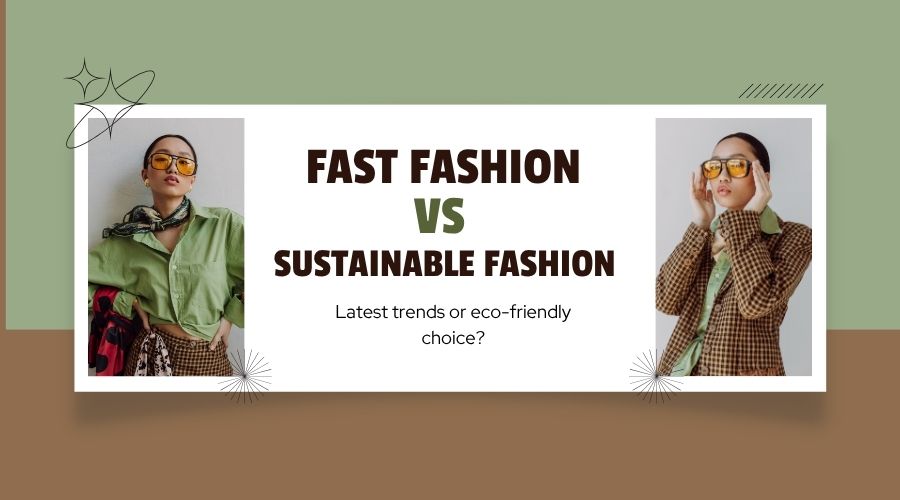
In the rapidly evolving fashion industry, a notable distinction exists between fast fashion and sustainable fashion. Fast fashion is making trendy clothes quickly and cheaply to meet the constant demand for new styles. On the other hand, sustainable fashion is all about eco-friendly practices; it focuses on quality, durability, and responsible sourcing instead of mass production.
What is Fast Fashion?
Fast fashion is all about producing trendy clothes at low cost so that the latest trends reach consumers fast. Let’s understand deeply. The process begins with designers who keep an eye on the latest trends and quickly create new styles.
When a design is complete, patterns are created, and test pieces are made to see how they look. The majority of fabrics and supplies are purchased from nations like Bangladesh, Indonesia, Pakistan, China, and India in order to keep prices low; these nations prioritize cost-cutting over sustainability or excellent quality.
Why Fast Fashion Became Popular?
- Celebrity influence and social media
- Easy online shopping and frequent trendy clothes
- Always feel like wearing the latest trends at low prices
The biggest reason behind the popularity of fast fashion is that people copy celebrity looks at a fraction of the cost. Also, online stores make sure to keep updating their price.
The Dark Side of Fast Fashion
The term “fast fashion” literally means “cheap, trendy collections and quick production of clothing and accessories.” Although this strategy makes clothes more affordable for consumers, there are social and environmental costs associated with it.
Fast production enables the use of unethical manufacturing techniques, such as subpar working conditions and massive waste. Other negative effects of rapid fashion include pollution from the fashion industry, which has disastrous repercussions on the global ecosystem.
The fashion business has a significant impact on the environment. The strength of synthetic materials made from fossil fuels, like polyester, has been the main source of funding for fast fashion.
These materials cause long-term environmental harm since they are not biodegradable and can take hundreds of years to break down. The production of textiles also uses enormous amounts of energy, water, and chemicals, increasing the risk of harmful runoff and water pollution.
What Is Sustainable Fashion?
Sustainable clothing is all about producing clothes that don’t cause any environmental impact. These clothes promote ethical production, fair wages, eco-friendly materials, and long-lasting quality.
The best part about sustainable fashion is that it encourages people to buy less but choose better. Shifting from fast fashion to sustainable fashion reduces waste, saves natural resources, and makes fashion more responsible.
Key Principles of Sustainable Fashion
- Eco-friendly material
- Ethical production
- Reduced waste
- Transparency
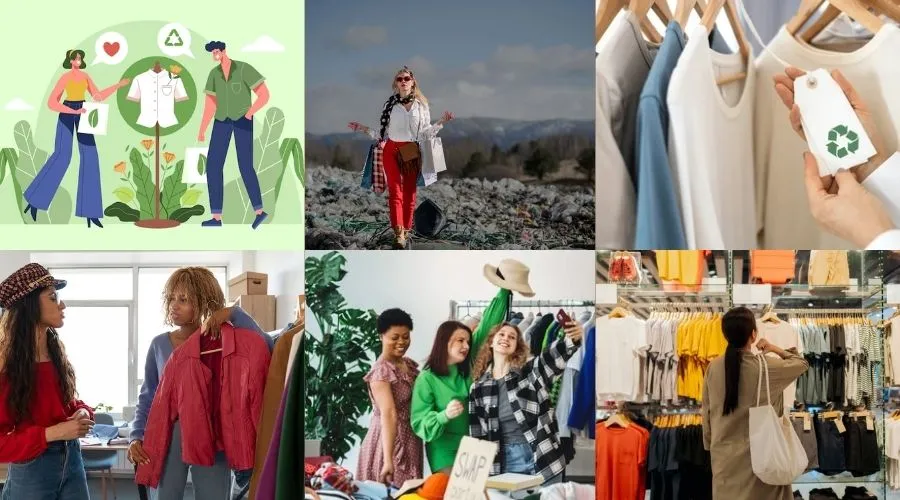
Why Sustainable Fashion Matters?
Sustainable fashion is way beyond wearing smart and trendy clothing; it’s all about making smart choices in the right direction toward a more ethical and sustainable future. Opting for Sustainable clothing increases the quality and makes your wardrobe last longer, yet stylish throughout that time.
Eco-Friendly Materials
A dedication to eco-friendly materials is at the core of sustainable fashion. This means making a conscious effort to use recycled materials, hemp, Tencel, bamboo, and organic cotton.
Sustainable fashion aims to actively reduce the environmental impact usually associated with traditional textile production by utilizing these eco-friendly materials. This significant change not only improves the clothing’s quality but also demonstrates a commitment to ethical sourcing.
Ethical Manufacturing
The demand for ethical production methods across the whole supply chain is fundamental to the philosophy of sustainable fashion. Companies in this industry place a high priority on fair labor practices, making sure that fair working conditions are maintained throughout the production process.
This dedication encompasses promoting equitable pay, creating secure workplaces, and defending employees’ rights. By taking these steps, sustainable fashion aims to transform the industry into one that is fundamentally more just, socially conscious, and fair.
Transparency as a Hallmark
Sustainable fashion is characterized by its transparency. Companies dedicated to ethical business practices value transparency and voluntarily share detailed information about their production methods, supply chain, and material sourcing.
Customers are empowered to make well-informed decisions that align with their values because of this transparency. By shedding light on the complexities of manufacturing, sustainable fashion not only increases consumer trust but also fosters broader awareness of the industry’s effects, encouraging shared accountability for constructive change.
Conclusion
When it comes to Fast Fashion vs Sustainable Fashion, both have a significant influence on how we dress today. Fast fashion enables you to buy trendy clothes at cheaper prices. Additionally, it frequently changes styles rapidly and harms the environment. Further, it often ignores fair working conditions. On the other hand, Sustainable fashion means providing quality, fairness, and protection for our planet.
Shifting towards sustainable fashion doesn’t mean giving up on style; it simply means focusing on mindful purchasing and how long you use it. Making small changes, such as buying fewer clothes, reusing what you have, or supporting sustainable brands, can make a huge difference. In the end, Fast Fashion vs Sustainable Fashion reminds us that true style isn’t just about looking good — it’s about doing good too.