Have you ever wondered how to cultivate inner peace with 5 mindful living practices? It’s simple to feel stressed out, distracted, and cut off from oneself in the fast-paced world of today.
Finding balance within yourself, no matter what happens around you, is the key to inner peace. You can foster a deeper sense of clarity, strength, and harmony in your day-to-day life by engaging in mindfulness practices.
Here, we will explore 5 Mindfulness tips to inculcate inner peace in our lives. So, make sure you hang on to this article until the end.
What Is Inner Peace?
The ability to maintain mental and emotional stability in the face of difficulty or stress is known as inner peace. The goal is to develop courage, clarity, and balance within yourself rather than to avoid problems. You feel grounded, in control, and free of negative or excessive stress when you are at peace with yourself. Instead of reacting impulsively, it enables you to face life with wisdom, compassion, and patience. Mindfulness, self-awareness, and acceptance of the present moment are often the keys to inner peace. Your inner and outer lives can be more joyful, fulfilled, and balanced if you maintain this peaceful state.
How To Cultivate Inner Peace? 5 Mindful Living Practices
This guide will cover five mindful living ways that can help you relax, re-establish a connection with yourself, and release stress. By following these easy yet effective habits, you can transform your daily life and move toward a more peaceful, personal lifestyle.
1. Meditate
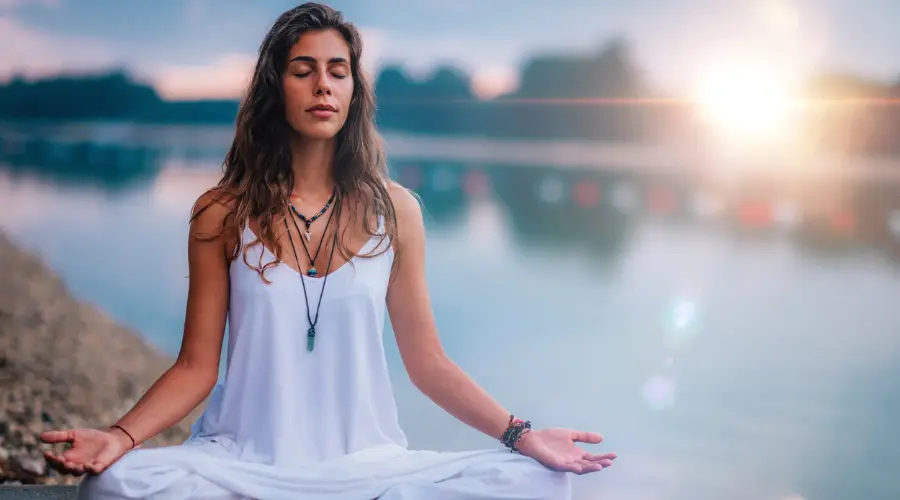
Creating a space of calm within yourself where you can objectively observe your ideas, emotions, and senses is the heart of meditation. It’s the practice of being totally present, usually by focusing on the breath, saying a mantra, or just being aware of one’s body. By breaking the cycle of constant mental chatter, meditation helps enhance clarity, lower stress, and calm the mind. It teaches you to connect with a deeper sense of calm and stillness and to refrain from distractions. Meditating for a few minutes each day can foster strength, mental balance, and mindfulness, making it an effective tool for inner wellbeing.
2. Live In The Present

Living in the present plays a powerful role in developing inner peace because it frees the mind from unnecessary burdens. You make room for clarity and calm in the present when you give up worrying about the past or the future. By reducing stress and anxiety, this mindful awareness enables you to respond to life patiently rather than rashly. You can nurture acceptance, thankfulness, and courage by dwelling on what you can experience and manage at this moment. This practice gradually reduces mental chatter, develops self-awareness, and establishes the inner harmony that is the cornerstone of genuine peace.
3. Cultivate A Positive Mindset
The goal of having a positive mindset is to choose to see the positive, learn from setbacks, and have faith in your own ability to improve, not to ignore problems or act like everything is perfect. While negative thoughts often result in tension, self-doubt, and internal conflict, positive thoughts foster balance, hope, and calmness. By expressing thankfulness, talking to yourself with kindness, and valuing the little things in life, you gradually change your view to one of joy. This shift enables you to deal with difficulties patiently, cut down on needless anxiety, and find strength in every situation. A positive outlook gradually turns into a habit, promoting a calm heart, sharp mind, and enduring inner peace.
4. Develop Love For Yourself

Finding inner peace and emotional well-being requires starting to love yourself. It involves accepting who you are, valuing your advantages, and being kind to your flaws. Being self-loving means that you value yourself enough to respect your needs, set healthy boundaries, and take care of your body and mind. It has nothing to do with selfishness. Being gentle and kind to yourself gives you more confidence and inner strength. This helps you deal with obstacles with strength and lessens self-criticism. Being happy, having healthy relationships, and leading a more peaceful, balanced life based on self-respect and peace are all made possible by loving oneself.
5. Be Grateful
Recognising and appreciating the blessings in your life, no matter how small, is an essential part of gratitude. Being grateful helps you focus on the positive things that happen every day and divert your attention from what fails or goes wrong. Being grateful for a smile, a meal, or a loved one’s support can be all that is required. Regularly practicing an attitude of thankfulness lowers stress, increases happiness, and fosters satisfaction. Your mind becomes more tranquil and calm when you focus on the good things in life. Having gratitude makes everyday experiences meaningful and promotes lasting inner peace.
Final Words
It’s easy to find inner peace. All you need to do is make small, thoughtful decisions every day that make you feel more at ease and in balance. You can gradually create a life full of peace and clarity by practicing gratitude, loving yourself, developing a positive outlook, living in the present, and meditating. These routines might appear simple, but they have the power to completely change how you handle daily challenges. Being flawless is not what inner peace is all about; rather, it is about learning always to be kind and grounded with yourself. You’ll find that being at peace is something you can do every day with practice.
Also Read: 5 Weekend Reset Routines For Mental Well-Being
FAQ
Q1. What does it really mean to have inner peace?
A. Inner peace means feeling calm, balanced, and centered within yourself, no matter what’s happening around you.
Q2. How can mindfulness help me find peace?
A. Mindfulness helps you stay present, reduce stress, and respond to challenges with clarity instead of reacting impulsively.
Q3. Do I need a lot of time each day to practice mindfulness?
A. No. Even a few minutes of daily mindfulness, like mindful breathing or gratitude, can make a difference.
Q4. Can anyone cultivate inner peace?
A. Yes. Inner peace is not limited to certain people—it’s a skill anyone can develop with practice and patience.
Q5. How long does it take to feel results?
A. It varies for everyone, but many people notice small positive changes within weeks of consistent practice.