Struggling to find out which skincare is best for oily skin? Managing excess shine and frequent breakouts can be challenging, but the right skincare routine can make all the difference.
Products for oily skin must balance sebum production without depriving the skin of its natural moisture content. A clear, healthy skin is maintained by selecting the proper formulae for everything from non-comedogenic sunscreens to mild cleansers and light moisturisers.
To obtain comprehensive details on skincare types suitable for oily skin, please continue reading this article until the end.
7 Tips: Which Skincare Is Best For Oily Skin?
After washing your face, do you often realise that it looks shiny a few hours later? Or do you find that by lunchtime, your makeup seems to be falling off your face? If so, you likely have oily skin, a common issue that requires proper treatment. However, it’s easy to feel drained with products that promise to prevent acne and regulate oil. Which skincare products are ideal for oily skin? The key is knowing what your skin requires and selecting products that balance oil production without making it too dry. To help you manage oily skin and obtain a clear, fresh, and healthy glow, here are seven effective skincare techniques.
1. Gentle, Oil-Control Cleansing

The first and most crucial step in any skincare regimen, especially for oily skin, is cleansing. Excess sebum, dirt, and pollutants tend to clog up on oily skin, blocking pores and resulting in breakouts. By using a mild, oil-control cleanser, you can be sure that these pollutants will be cleared without making your skin too dry. The best cleansers are gel-based or foamy ones that contain niacinamide, tea tree oil, or salicylic acid. Niacinamide controls sebum production, tea tree oil fights germs, and salicylic acid enters pores to stop blackheads. Stay away from strong soaps and cleansers with a lot of alcohol since they can harm the skin and increase oil production.
2. Regular, Gentle Exfoliation

Exfoliation is essential for maintaining the smoothness of oily skin and avoiding clogged pores. Dead skin cells can be removed to lessen dullness, whiteheads, and blackheads. Chemical exfoliants that work well for oily skin include BHA (salicylic acid) and AHA (glycollic acid), which dissolve excess oil and improve skin texture by penetrating deeply into pores. But over-exfoliation can worsen oiliness and cause skin irritation. To get the best effects, exfoliate two or three times per week. If physical exfoliation is more your style, use mild scrubs and apply gently. Maintaining clear, smooth skin and improving its absorption of other skincare products is possible with regular exfoliation.
3. Lightweight, Oil-Free Moisturizing
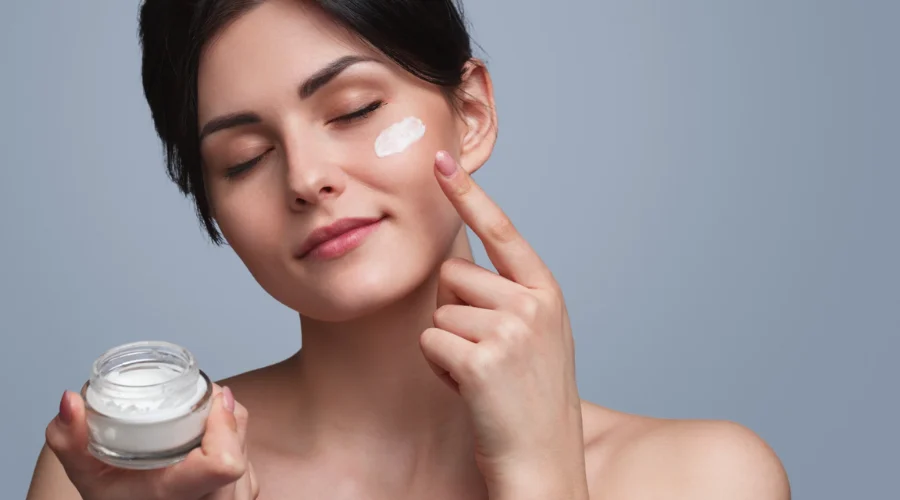
Hydration is essential for maintaining a healthy balance, even for oily skin. The skin can produce more oil if you skip the moisturiser. Selecting non-comedogenic, oil-free, and lightweight moisturisers that hydrate without clogging pores is crucial. Hyaluronic acid, glycerin, and aloe vera are great ingredients since they draw in moisture while keeping the skin hydrated and light. Fast-absorbing gel-based moisturisers leave a matte finish that reduces shine all day. For healthy, balanced oily skin, moisturising is a must since it continuously reduces inflammation, preserves the skin barrier, and stops the excess production of sebum.
4. Sun Protection with Oil-Free Sunscreen
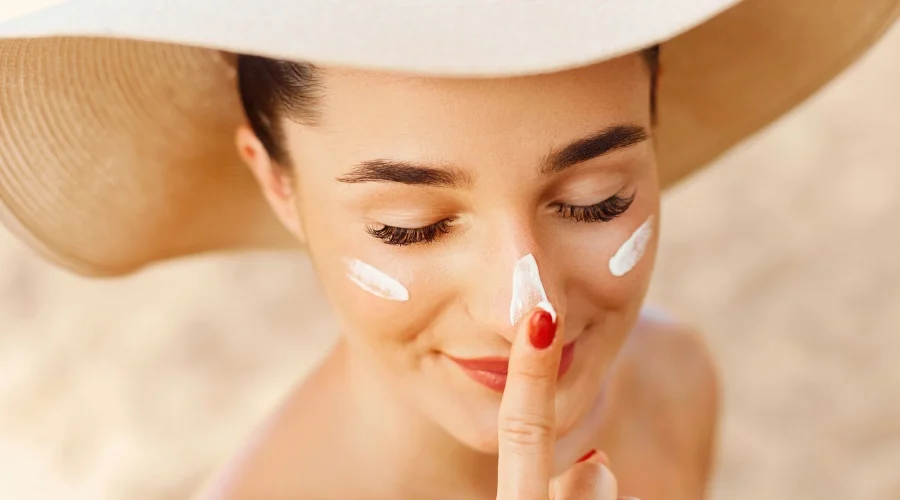
All skin types, even those with oily skin, need sunscreen since it shields the skin from harmful UV rays and early ageing. Oil-free, mattifying sunscreens are designed especially to avoid oiliness, although many people with oily skin avoid it out of concern for extra shine. Select a broad-spectrum SPF of 30 or greater that contains niacinamide or zinc oxide, which help control oil and calm the skin. Using sunscreen every day helps keep your complexion balanced while preventing UV damage, hyperpigmentation, and premature ageing. Selecting the ideal sunscreen guarantees protection without sacrificing your fresh, matte appearance.
5. Balancing Toner

After cleansing, toners help in removing all remaining dirt and get the skin ready for the next steps. A balancing toner that contains niacinamide, witch hazel, or green tea extract helps tighten pores, minimise excess oil, and soothe inflammation in oily skin. Toners with a lot of alcohol should be avoided since they deprive the skin of its natural moisture and can trigger oil production. Using toner both in the morning and at night keeps the complexion clear, balanced, and renewed. By ensuring that other skincare products penetrate deeper into the skin, regular toner use also improves the overall health of the skin and increases its efficiency.
6. Weekly Clay Masks

Since clay masks remove dirt, unclog pores, and absorb excess oil, they are quite beneficial for oily skin. Once or twice a week, using a mask keeps the skin smooth and helps avoid shine and acne. Bentonite clay (powerful oil absorption), charcoal masks (detoxifying), and kaolin clay (soft for sensitive skin) are popular choices. Rinse clean skin with lukewarm water after applying the mask and letting it sit for 10 to 15 minutes. Clay masks lessen the visibility of pores and give the skin a cool, matte finish. Regular application reduces excessive oil production and helps keep the complexion cleaner.
7. Consistent Skincare Routine

The most crucial element in treating oily skin is consistency. Skin health, pore clarity, and oil production balance are all maintained by a routine. Daily washing, toning, moisturising, and sunscreen should be followed; exfoliation and clay masks should be applied a few times per week. Stay away from harsh remedies and sudden changes in products, as these can worsen oiliness and cause breakouts. A regular skincare regimen, in addition to hydration and a healthy diet, enables the skin to adjust and repair itself over time, giving the face a youthful, clear, and shine-free appearance.
Also Read: How Do Korean Beauty Secrets Transform Everyday Skincare?
Final Words
Oily skin doesn’t have to be difficult or annoying to manage. You can maintain healthy, hydrated skin, avoid breakouts, and manage shine with the correct regimen and products. Finding a balance is key; periodic exfoliation, light moisturisers, sun protection, gentle washing, and a little self-care with clay masks all add to a visible change. Being consistent is important, so follow your regimen and give your skin some time to adapt. With a little attention, you might feel confident, clear, and fresh every day.
FAQ
Q1. What is the best cleanser for oily skin?
A. A gentle, foaming or gel-based cleanser with salicylic acid, tea tree oil, or niacinamide works best. These ingredients remove excess oil, unclog pores, and reduce breakouts without over-drying the skin. Avoid harsh soaps or alcohol-based cleansers, as they can trigger more oil production.
Q2. Can oily skin skip moisturizer?
A. No. Even oily skin needs hydration. Skipping moisturizer can make your skin produce more oil. Use lightweight, oil-free, and non-comedogenic moisturizers with ingredients like hyaluronic acid or aloe vera to keep the skin balanced and hydrated.
Q3. How often should I exfoliate oily skin?
A. Exfoliate 2–3 times a week using chemical exfoliants like BHA (salicylic acid) or AHA (glycolic acid). This removes dead skin cells, prevents clogged pores, and improves texture. Over-exfoliating can irritate skin and increase oiliness.
Q4. Are clay masks good for oily skin?
A. Yes! Clay masks absorb excess oil, detoxify the skin, and reduce shine. Use them once or twice a week to prevent breakouts and minimize pore visibility. Popular options include kaolin clay, bentonite clay, and charcoal masks.
Q5. Can oily skin ever be completely matte?
A. While oily skin may never be 100% matte, a consistent routine with cleansing, exfoliating, moisturizing, toning, and sun protection helps control shine effectively. Using oil-free, mattifying products and clay masks can give a fresh, balanced, and healthy-looking complexion.